CASE STUDY 2.0 model home a
PACIFIC PALISADES, CA
-
Principal Architect: Ed Millán AIA
Project Team: Ed Millán AIA, Anna Kudashkina, Micol Romano
Project Address: 307 Mount Holyoke Avenue, Pacific Palisades, CA 90272
APN #: 4412015002
Parcel Area: ± 7,020 Sq. Ft.
Parcel Dims: ± Depth 130'-0", Width 54'-0"
Date Built: N/A
Max Allowable RFA: 4,282.20 Sq. Ft.
Proposed RFA: 4,263 Sq. Ft.
Remaining RFA: 19.2 Sq. Ft.
Zoning: R1-V1
General Plan Land Use: Low Residential
Building Use: Residential - SFR
Const. Type: Type V-A
Bldg. Code: 2023 LARC
Fire Sprinkler: Yes, Fully Sprinklered
Coastal Zone: Yes, Dual Jurisdiction
Historic Pres Review: No
VHFHSZ: Yes
Canyon Bluff: Yes
Landslide: Yes
Methane Zone: None
Liquefaction: No
Climate Zone: 6
Parking: 2 Covered Spaces Req’d
Case Study 2.0 - The Return Home
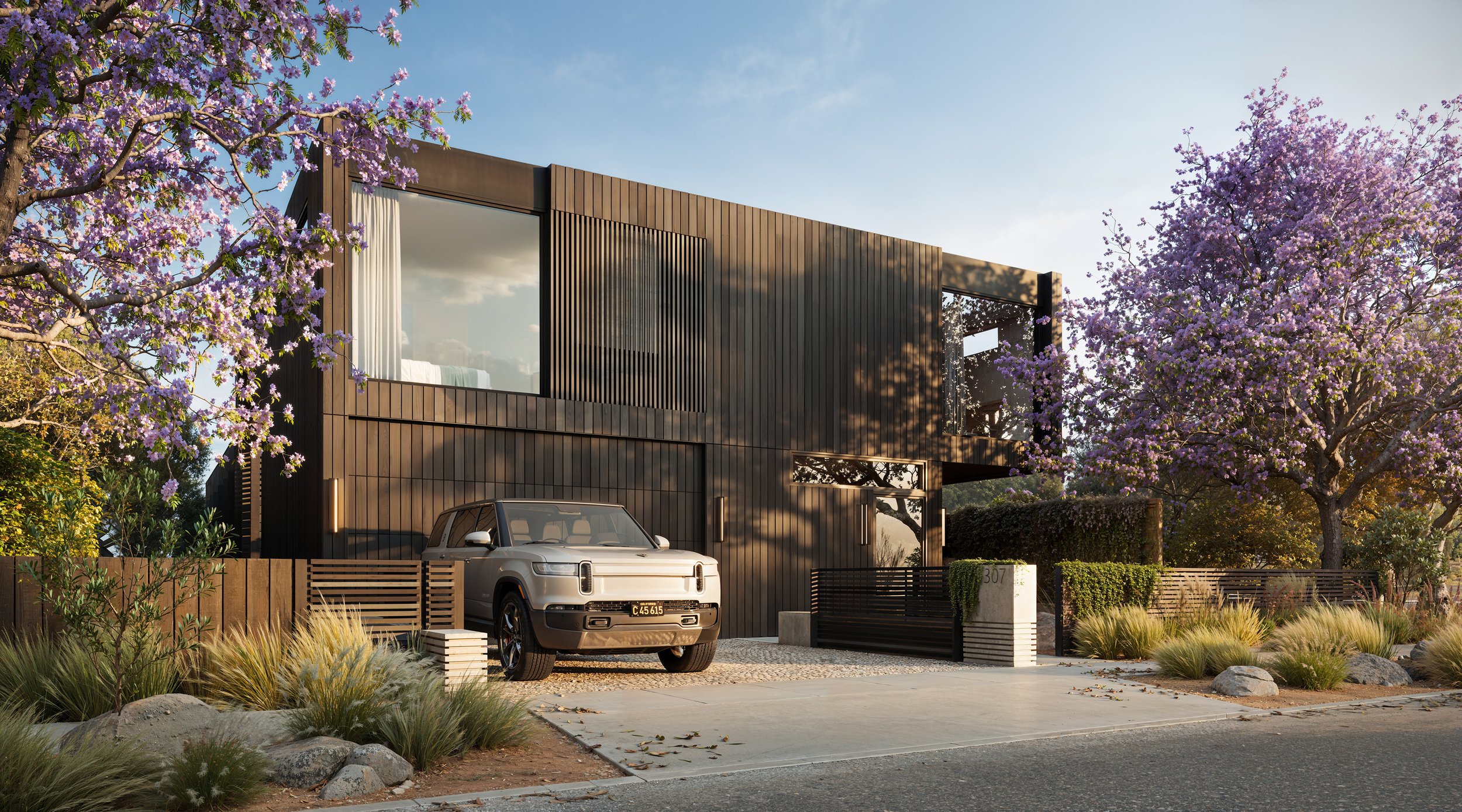
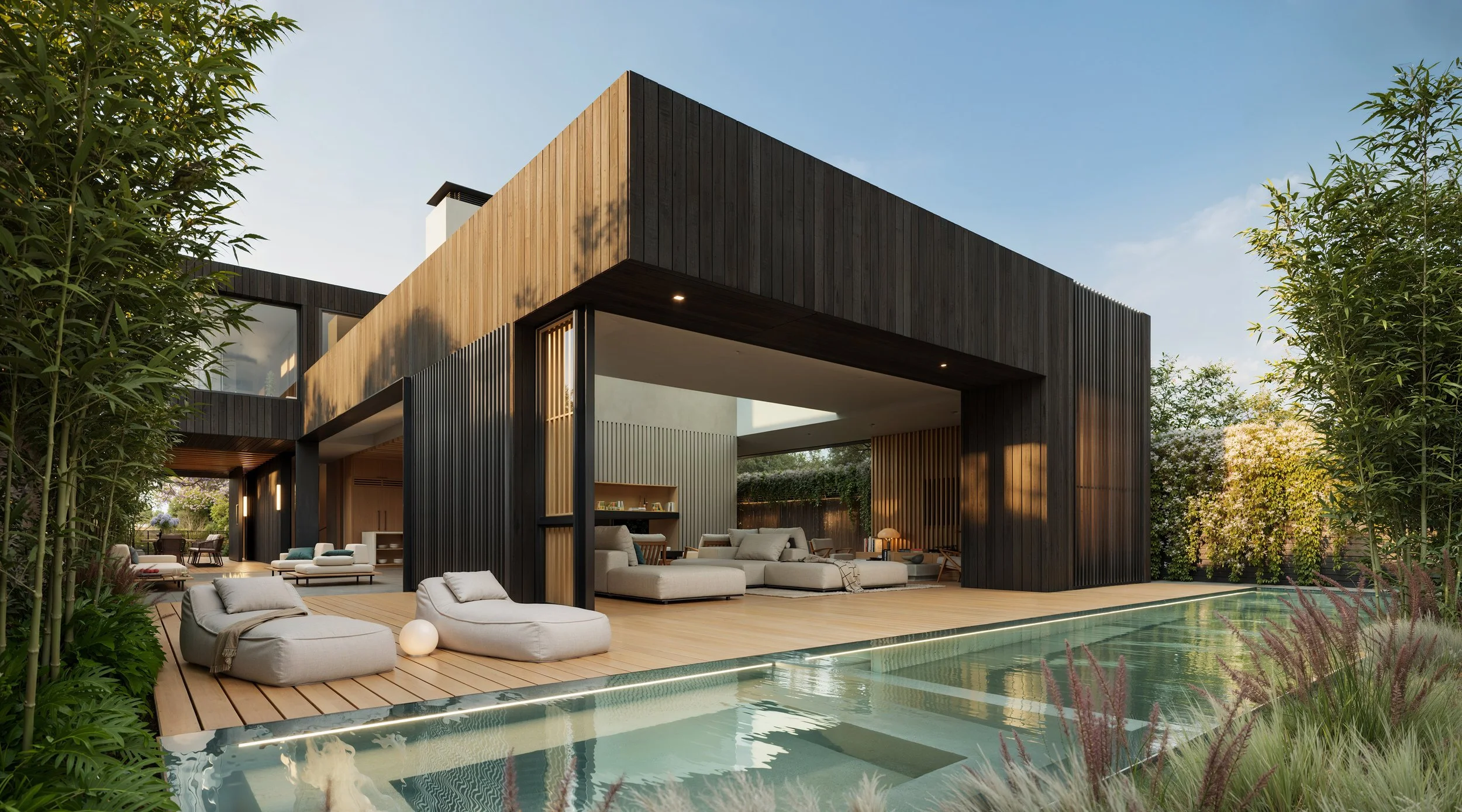
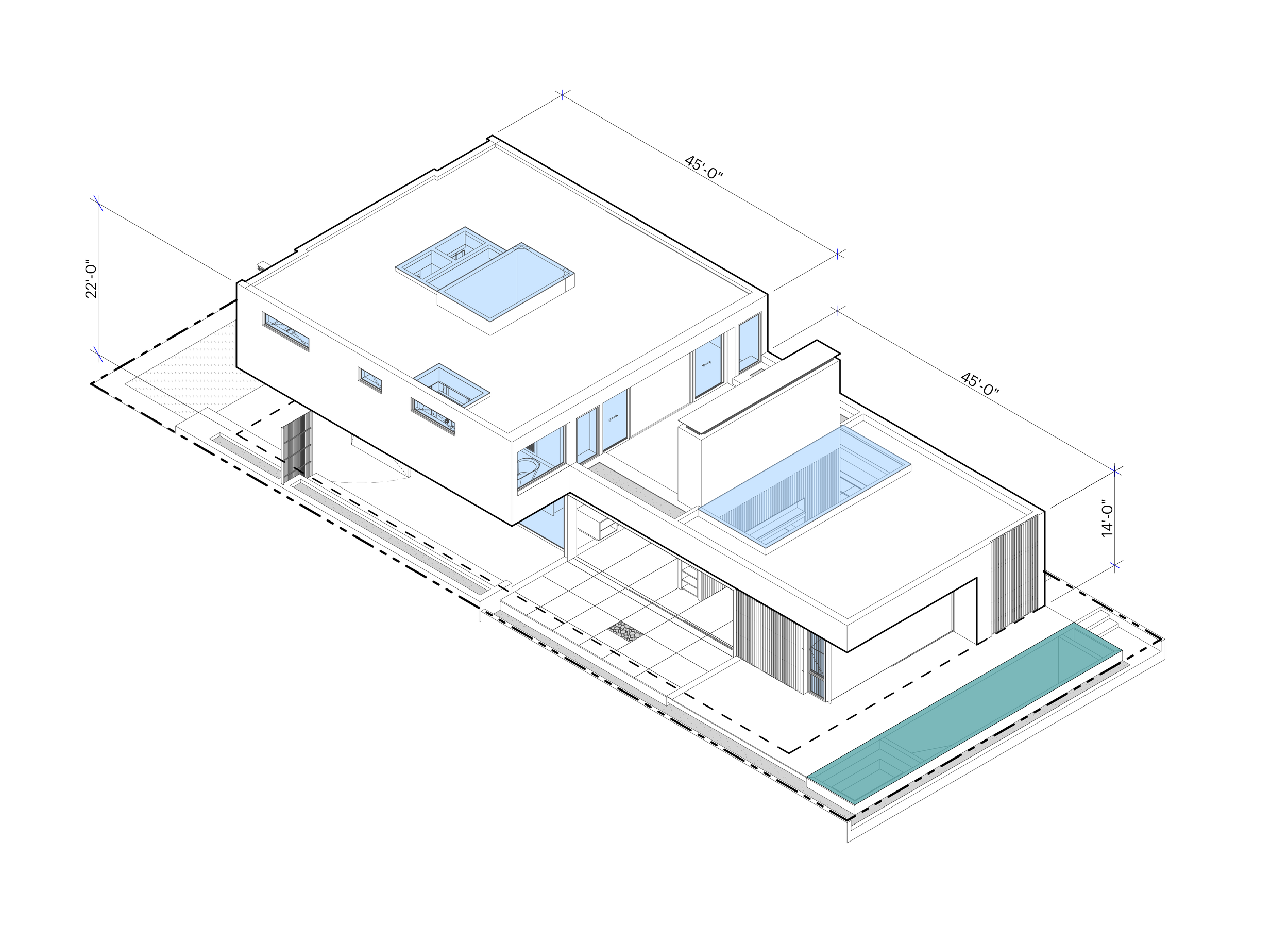
Millán Architect / Studio is one of 40 architectural firms contributing to Case Study 2.0, a collective design initiative focused on resilient housing for wildfire-prone communities in Los Angeles. Our proposal, The Return Home, is a fire-conscious and economically viable housing prototype designed for typical 50-foot-wide lots in Pacific Palisades and similar neighborhoods rebuilding after disaster.
The project explores how architecture can support recovery through clarity, resilience, and practicality. Rather than a one-off design, The Return Home is conceived as a repeatable model — prioritizing durability, constructability, and long-term performance through efficient planning strategies and standardized components that reduce cost and complexity.
Our involvement in Case Study 2.0 is deeply personal. We live and work in Los Angeles and have helped clients rebuild homes across Malibu, Pacific Palisades, Santa Monica, Venice, and Ventura. We understand both the technical challenges and the emotional realities of rebuilding after loss — navigating insurance processes, evolving code requirements, and accelerated permitting timelines alongside families seeking stability and a path forward.
In response to the January 2025 fires, our studio committed additional time and resources to support rebuilding efforts, including free initial consultations and reduced-fee or pro bono services where possible. We remain closely engaged with evolving City and State standards for fire rebuilds, helping clients make informed decisions early, when it matters most.
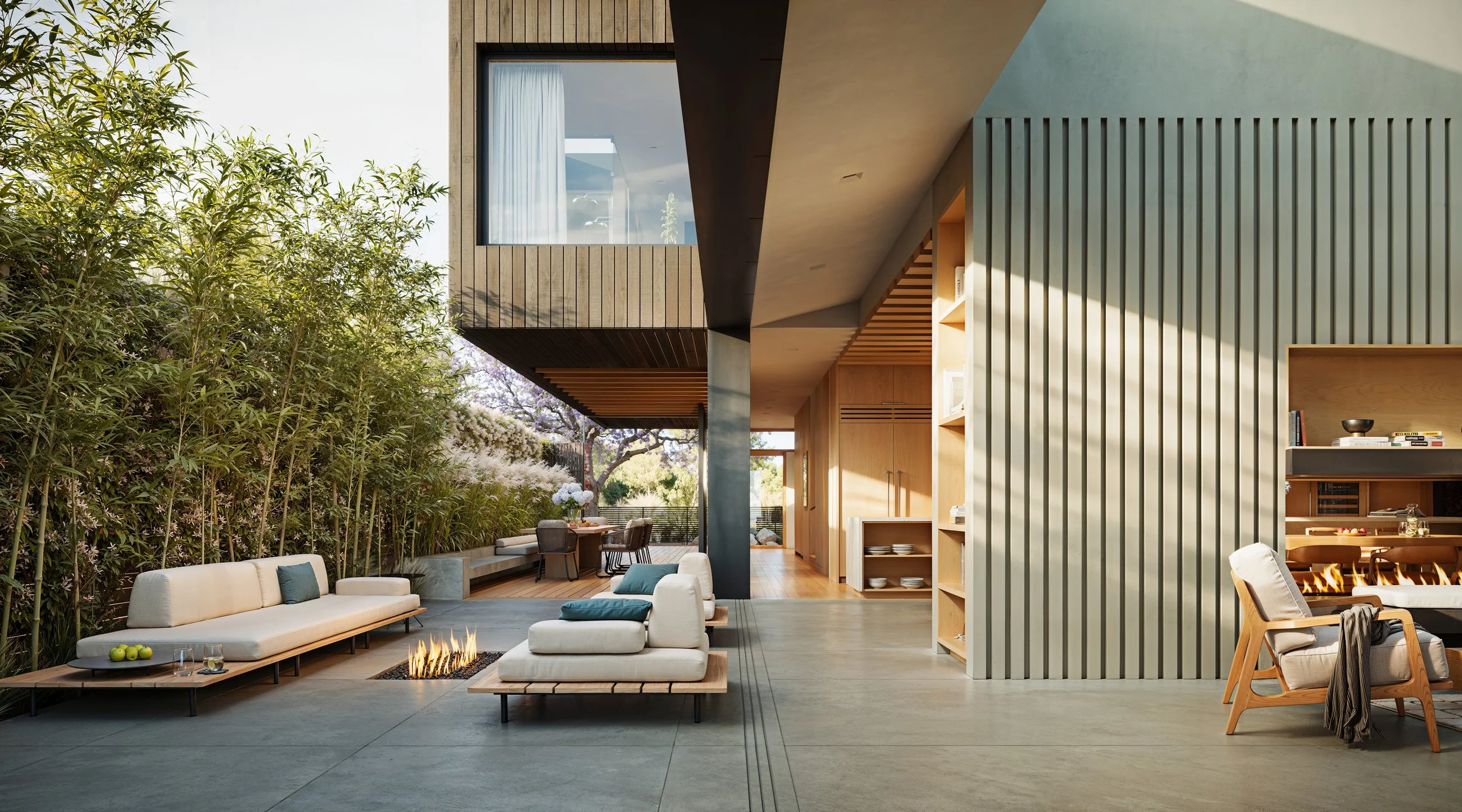
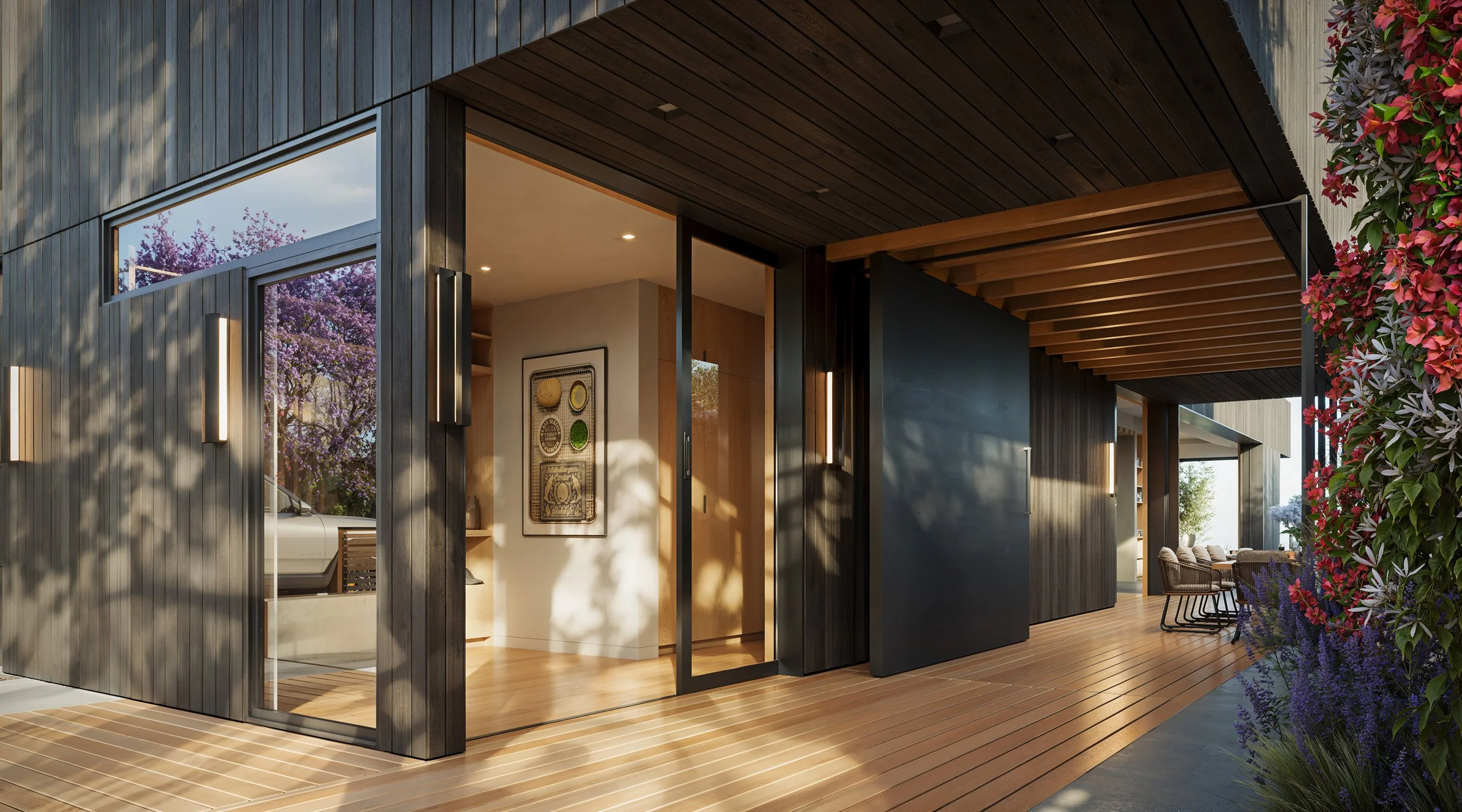
Architecturally, the design emphasizes simplicity and resilience. The form is compact and straightforward, reducing construction risk while maximizing flexibility. Non-combustible materials and defensible landscape strategies are integrated from the outset, embedding fire resilience into the structure itself rather than treating it as an afterthought.
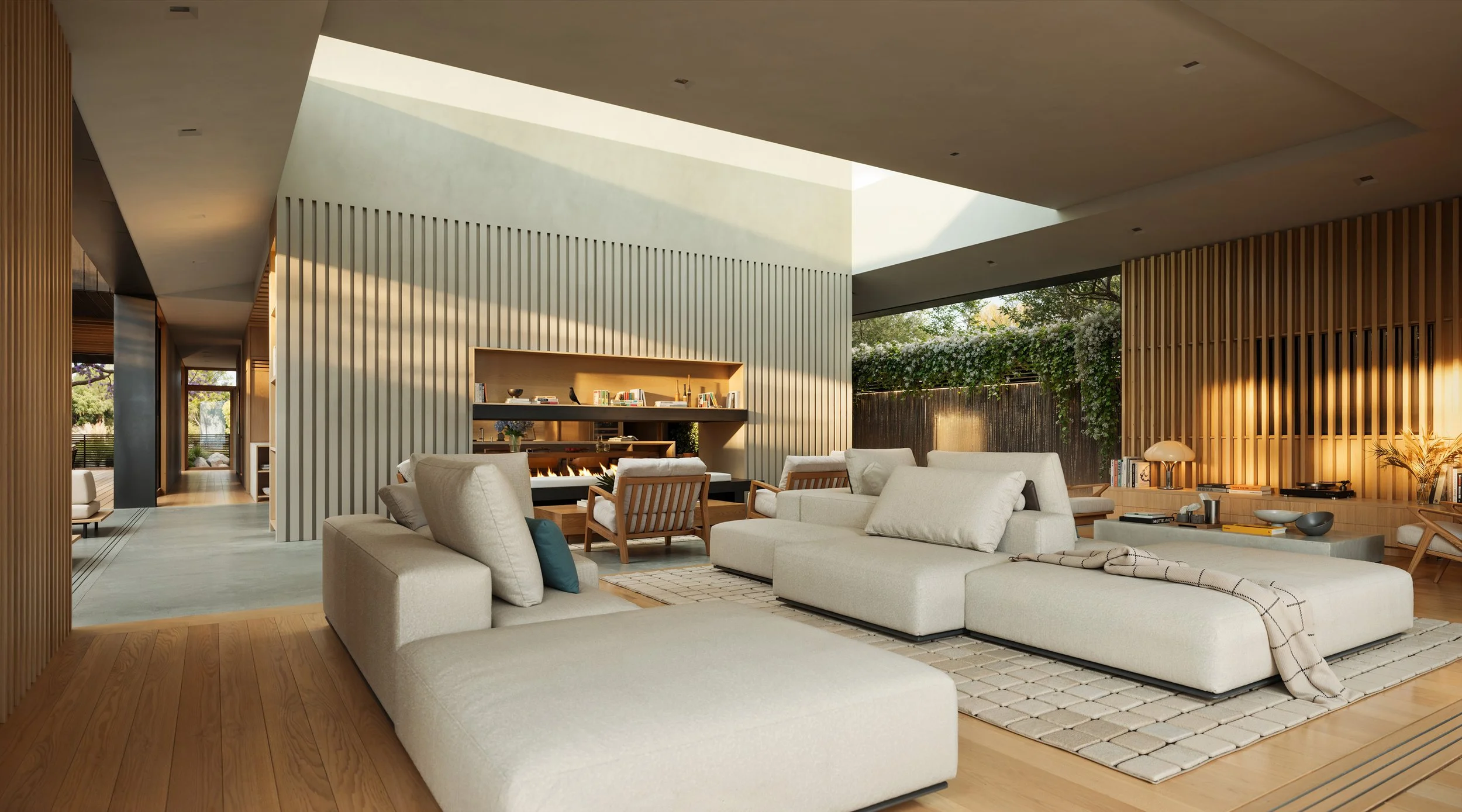
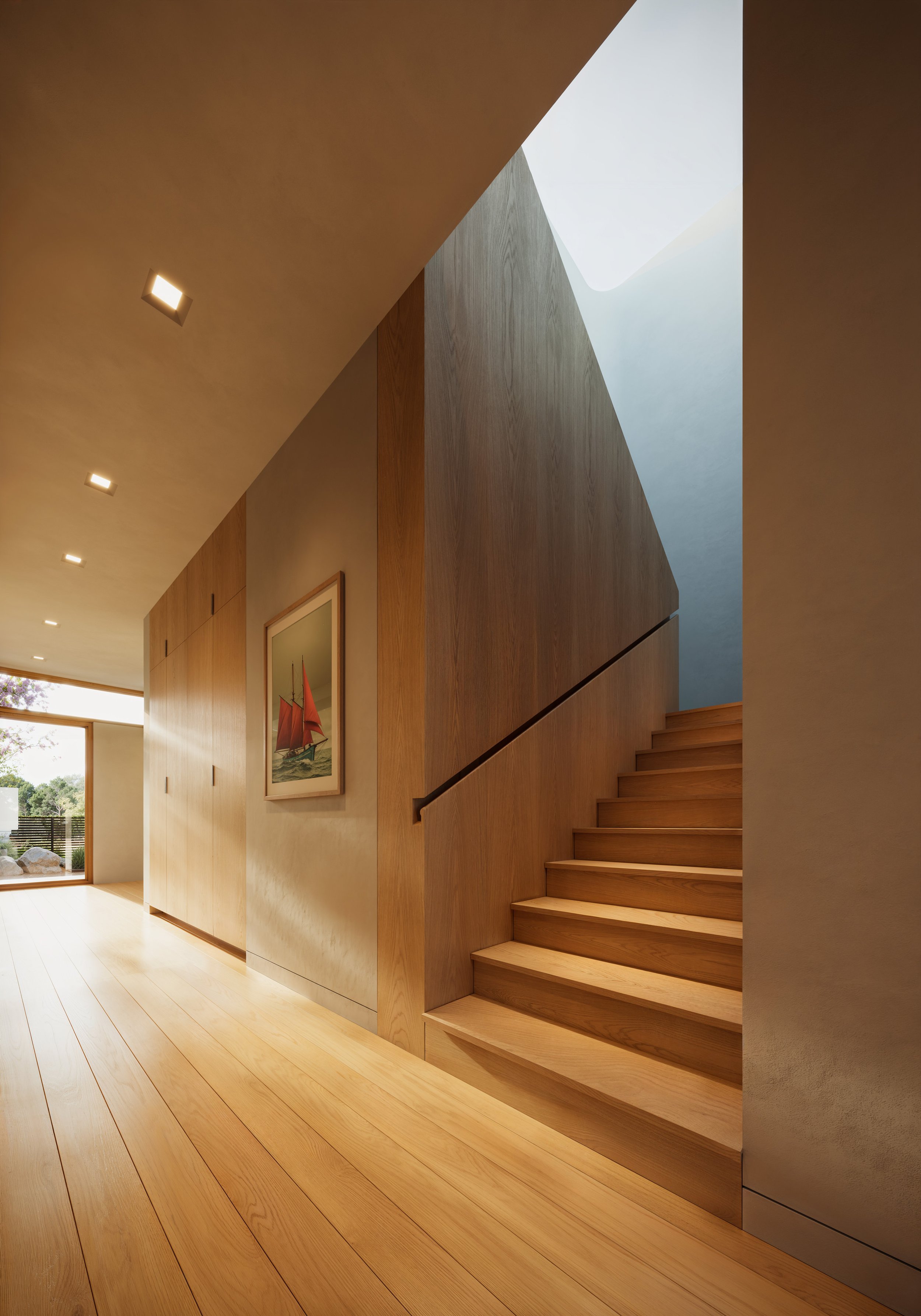
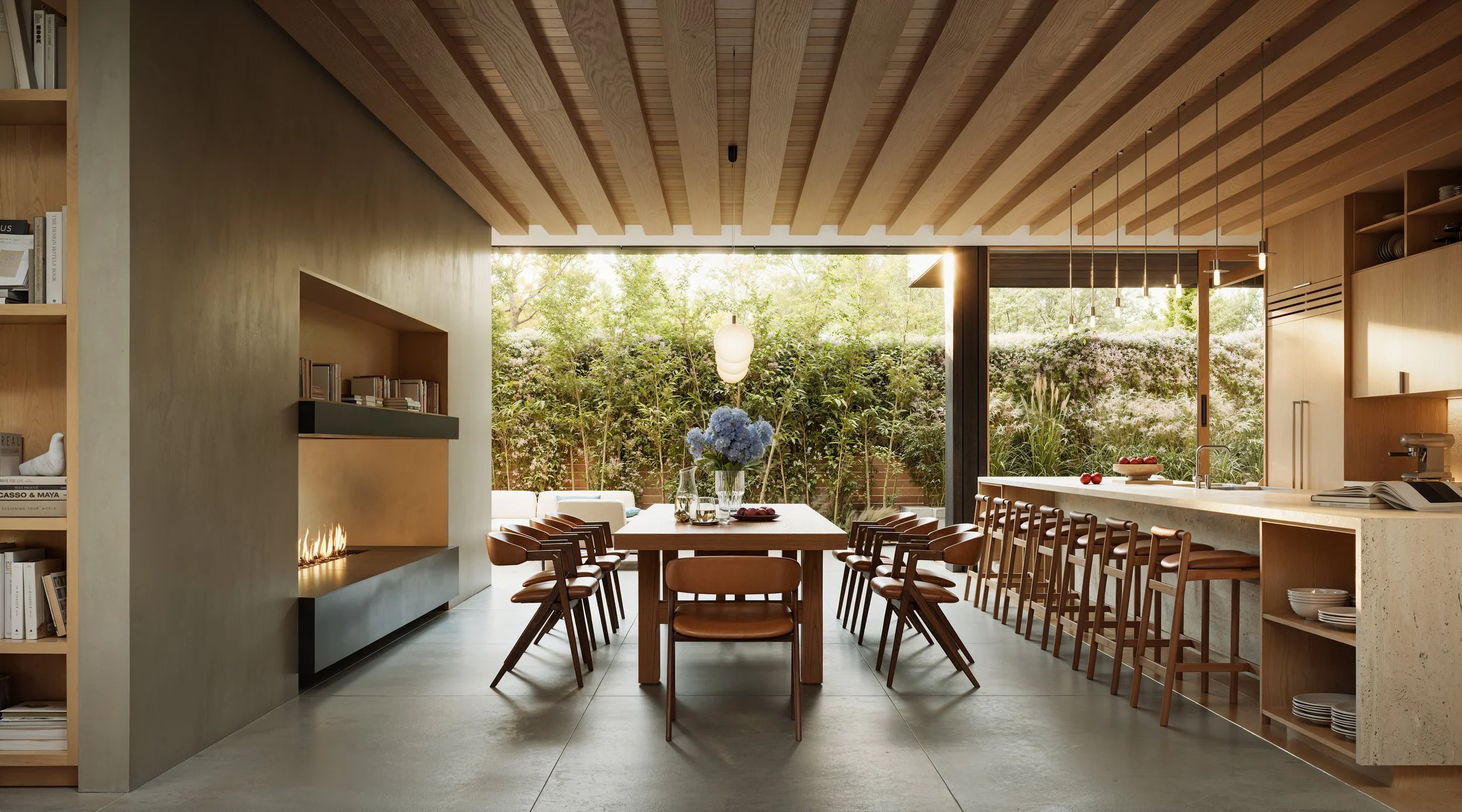
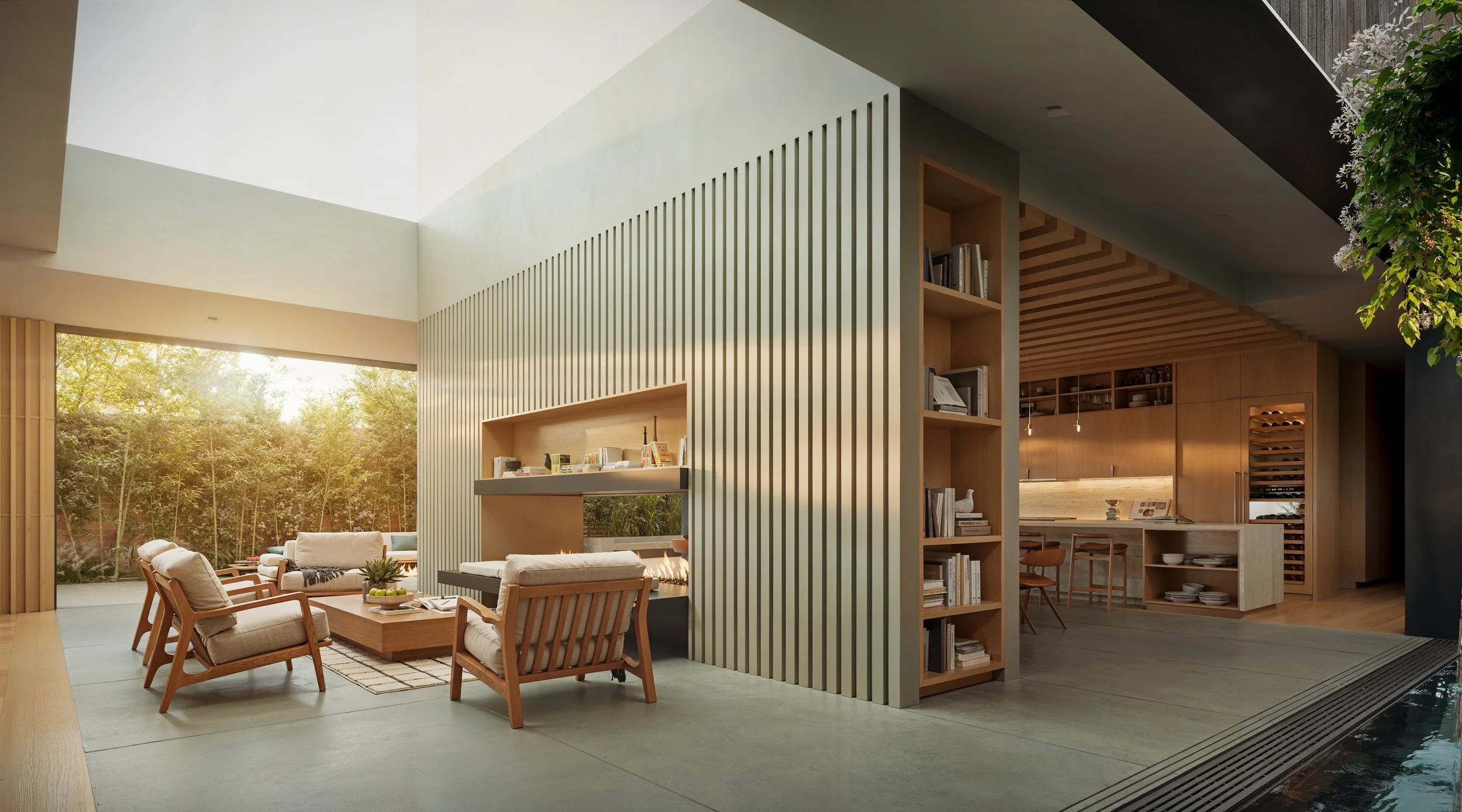
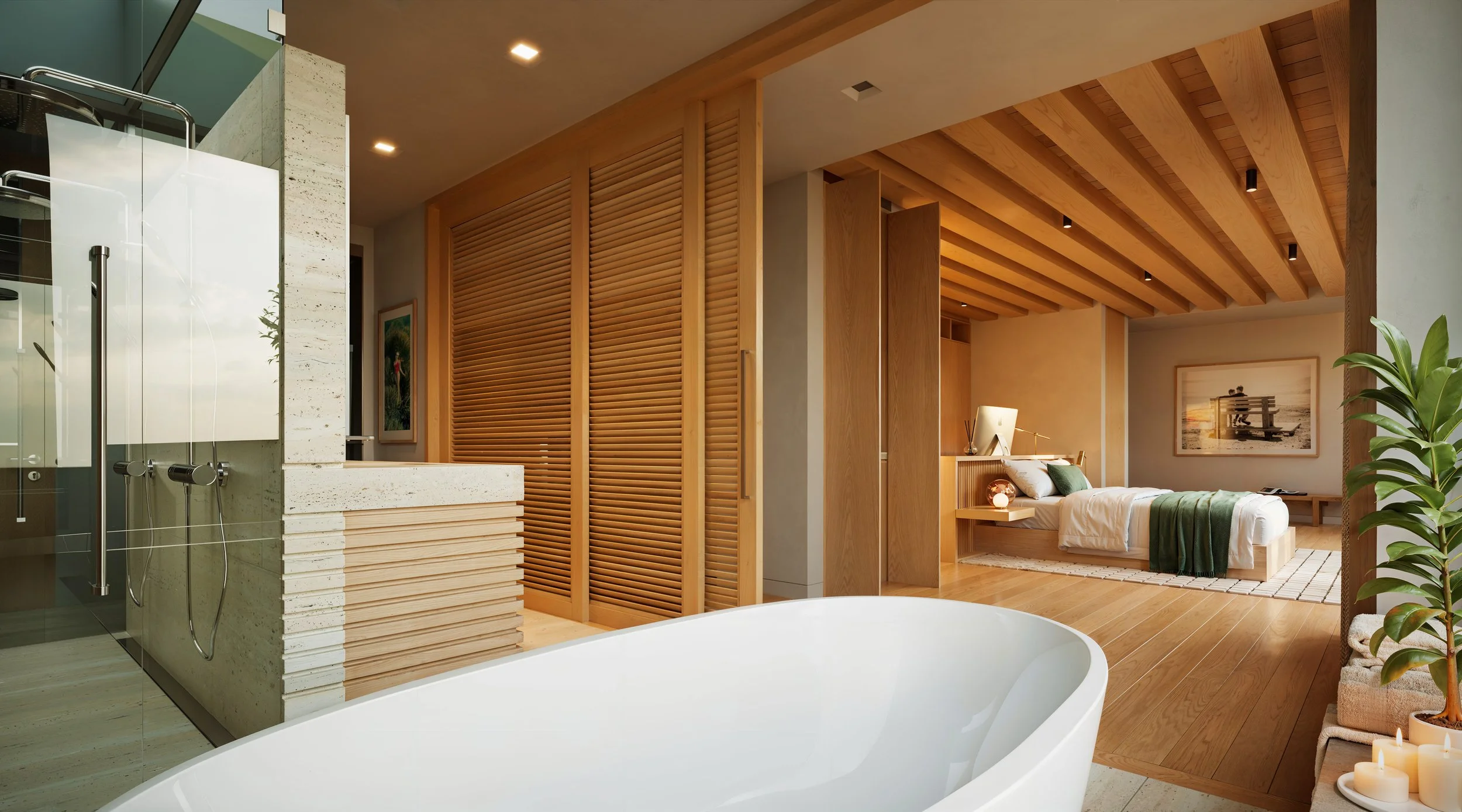
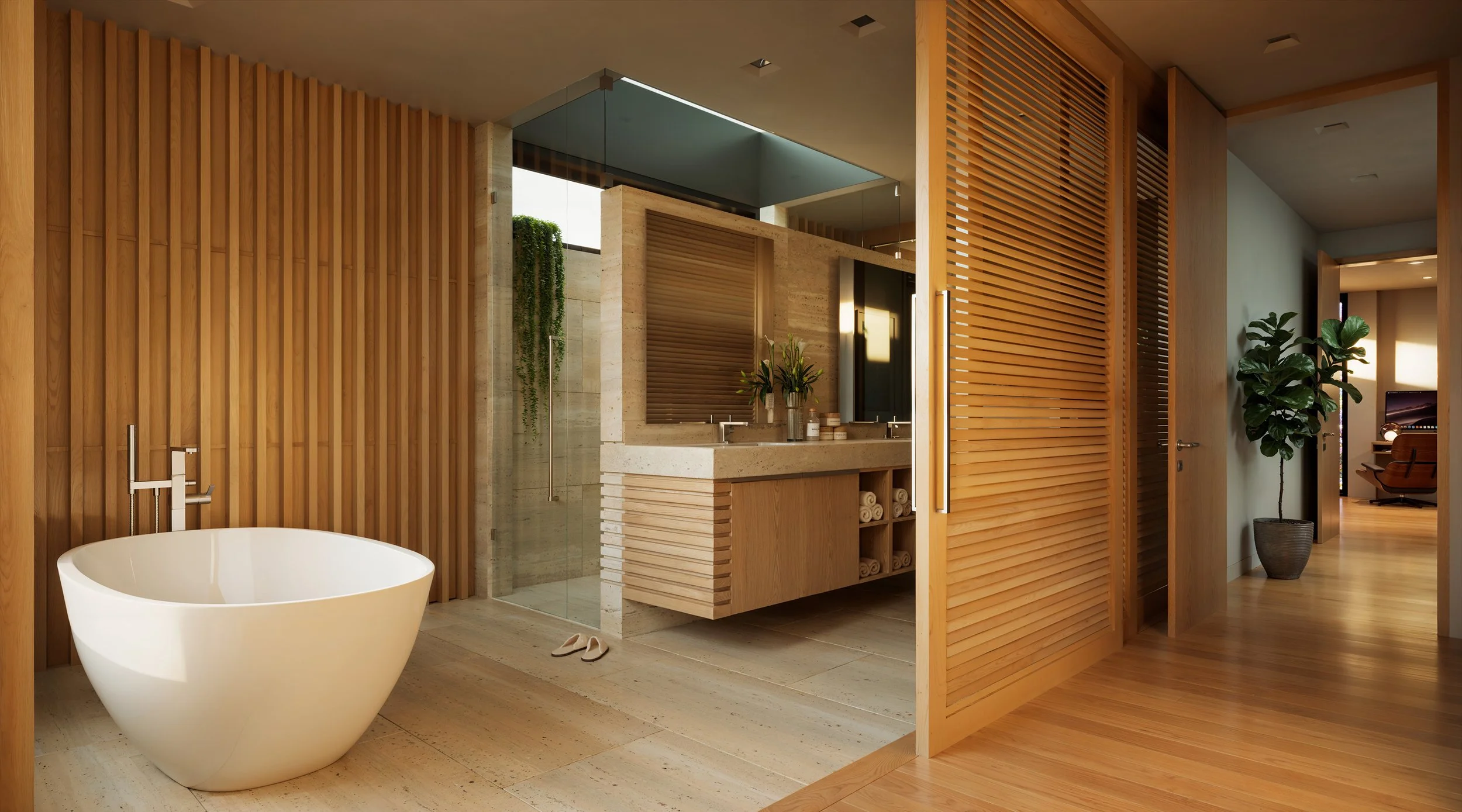
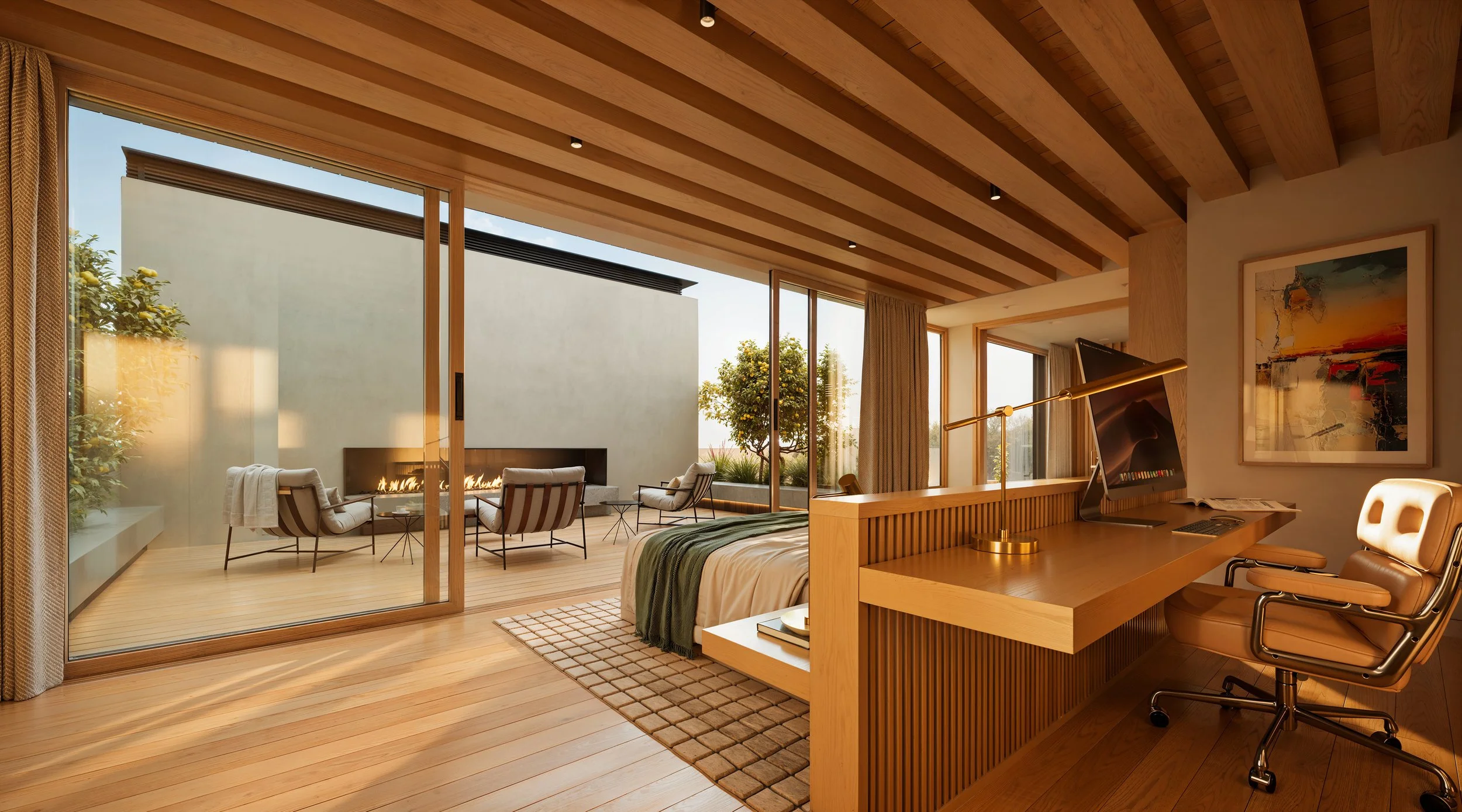
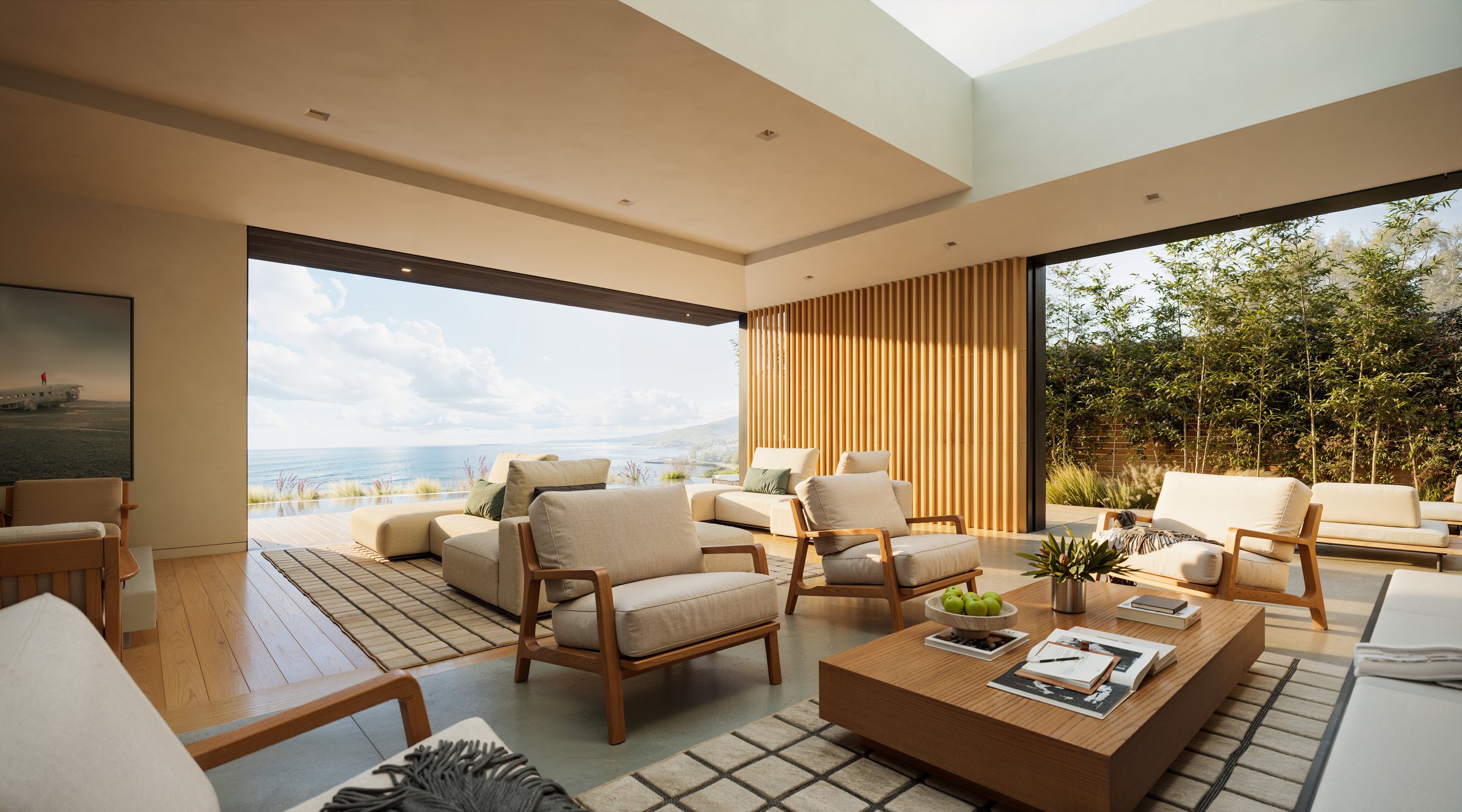
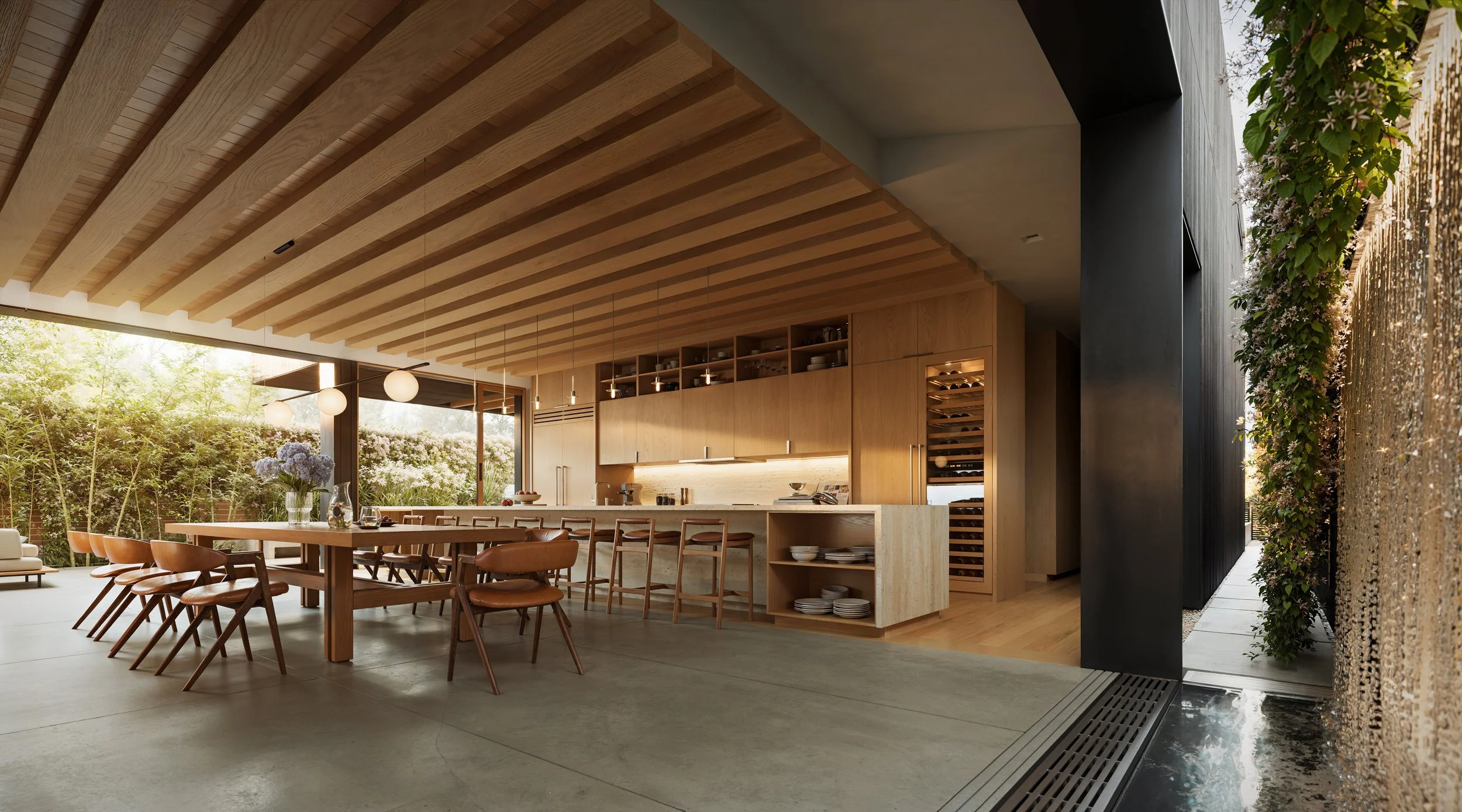
Inside, spaces are efficient, adaptable, and filled with daylight without excess. The material palette is restrained and durable — chosen for longevity, performance, and ease of maintenance rather than visual effect. The goal is a home that feels calm, familiar, and capable of evolving with the lives of the people who inhabit it.
At its core, The Return Home is about restoring a baseline: safety, dignity, and a renewed sense of place — creating a solid foundation for life to resume.